Final Year Project: The Art of Sustainability
The project
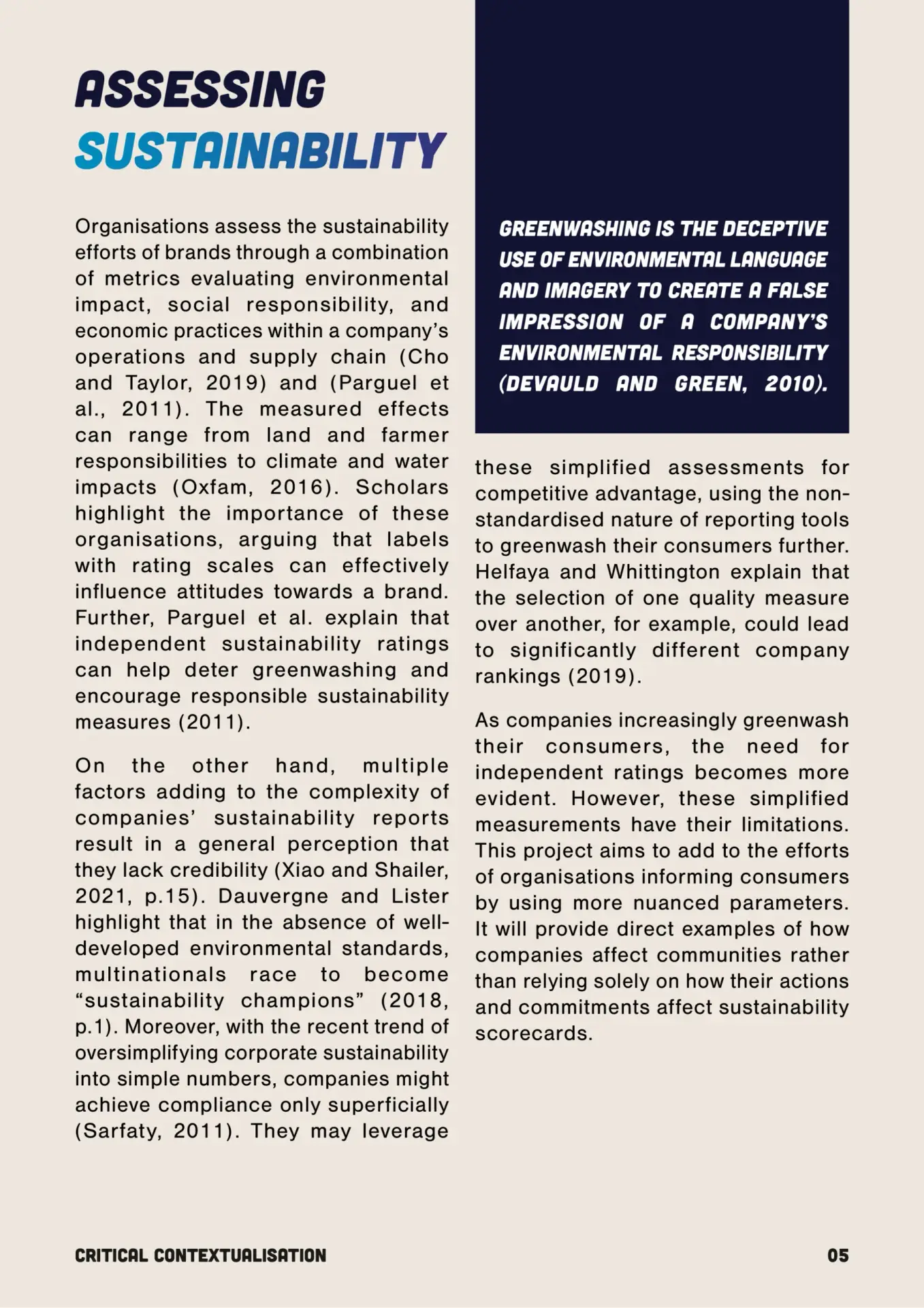
The initial concept for The Art of Sustainability was to use existing packaging from some of the biggest consumer goods companies to create an Augmented Reality (AR) experience that highlighted their sustainability practices. This original concept used some existing projects as inspiration, including Chiquita’s Behind The Blue Sticker and Adidas’ For The Ocean.
However, as the research deepened, it became clear that a more critical approach was necessary. Rather than just amplifying corporate messaging, the project pivoted to a more pressing issue: informing consumers about the complexity of corporate sustainability.
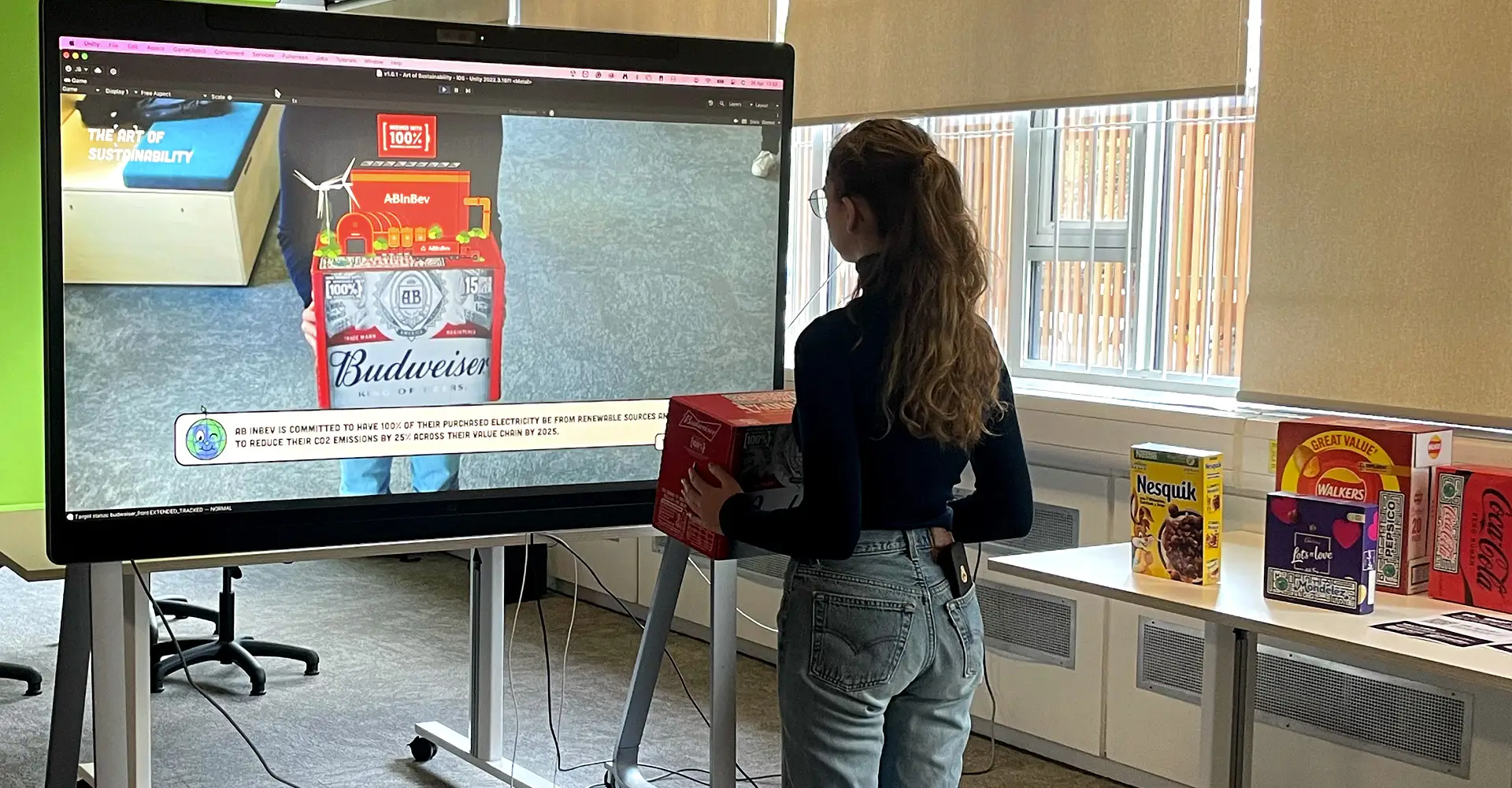
The Aim: Exhibit an AR learning experience that informs consumers of brands’ environmental impacts and their direct real-world effects on communities and individuals.

To bring this to life, the project was broken down into four core objectives:

  • Research: Create a comprehensive sustainability report grounded in tangible examples.
  • Design: Create and animate product overlays relating directly to the report’s findings.
  • Development: Build the interactive AR learning experience using these overlays.
  • Evaluation: Test and evaluate the features and educational outcomes of the project.
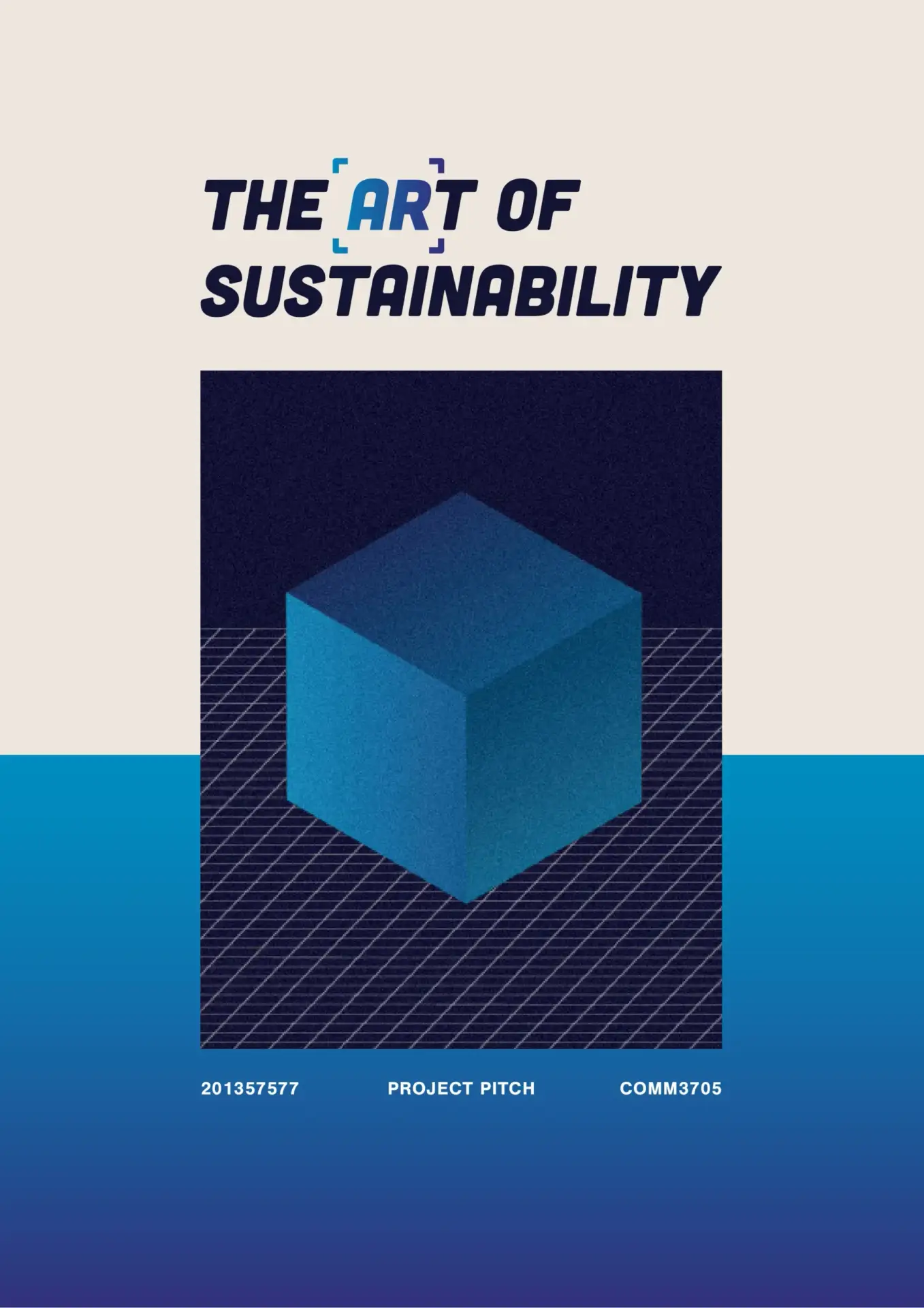
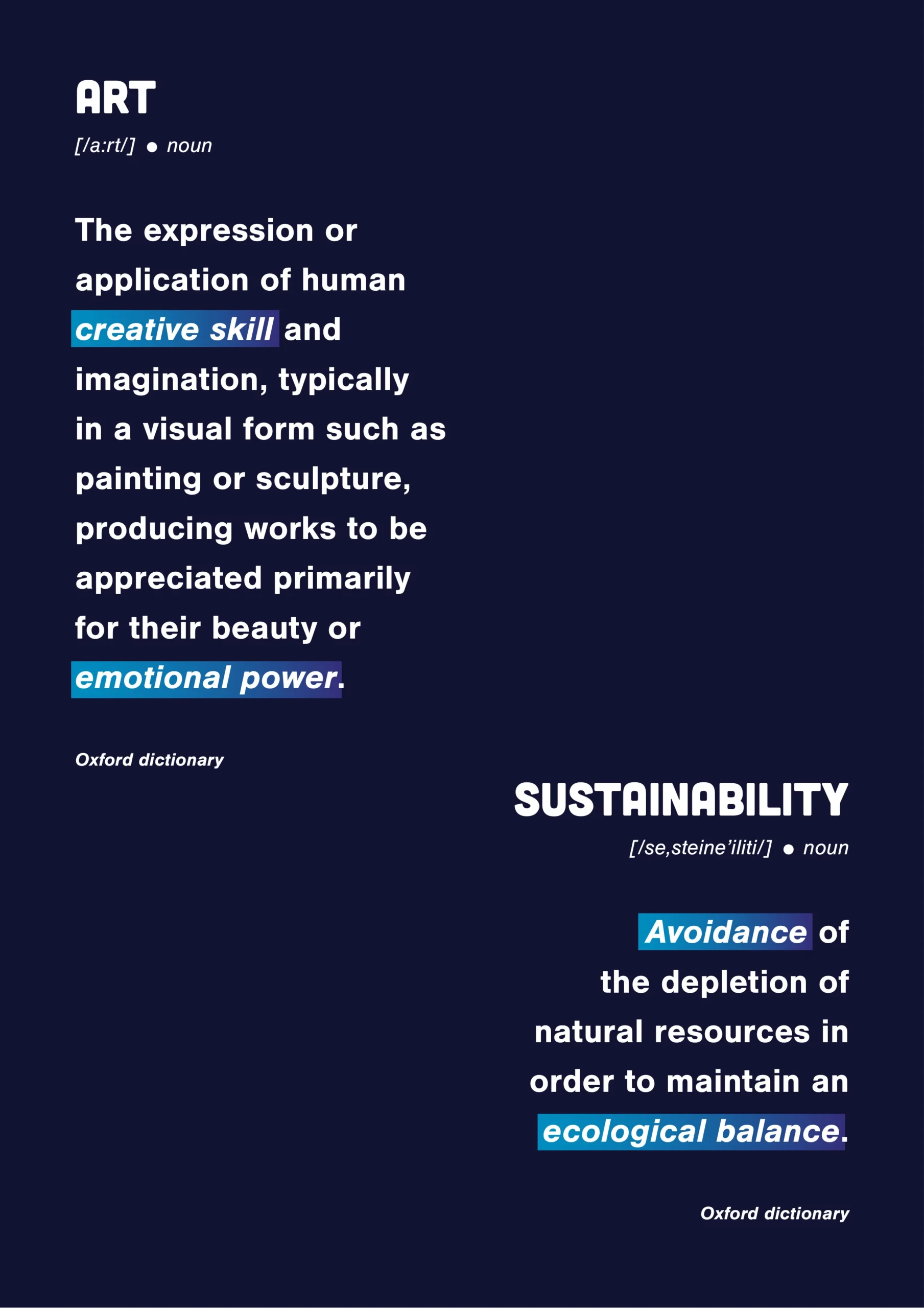
Here’s a preview of the Project Pitch document:
How it Works
There is a proven scientific backing for using AR as an educational tool. Because AR bases its interactions on real-life elements, it significantly enhances the learning experience. Studies (Giasiranis and Sofos, 2017) show that students who use AR technology retain information better and for longer periods.
Bringing this technology into a consumer setting has also been proven to increase the likelihood of shoppers choosing genuinely sustainable products directly in stores (Joerß et al., 2021).

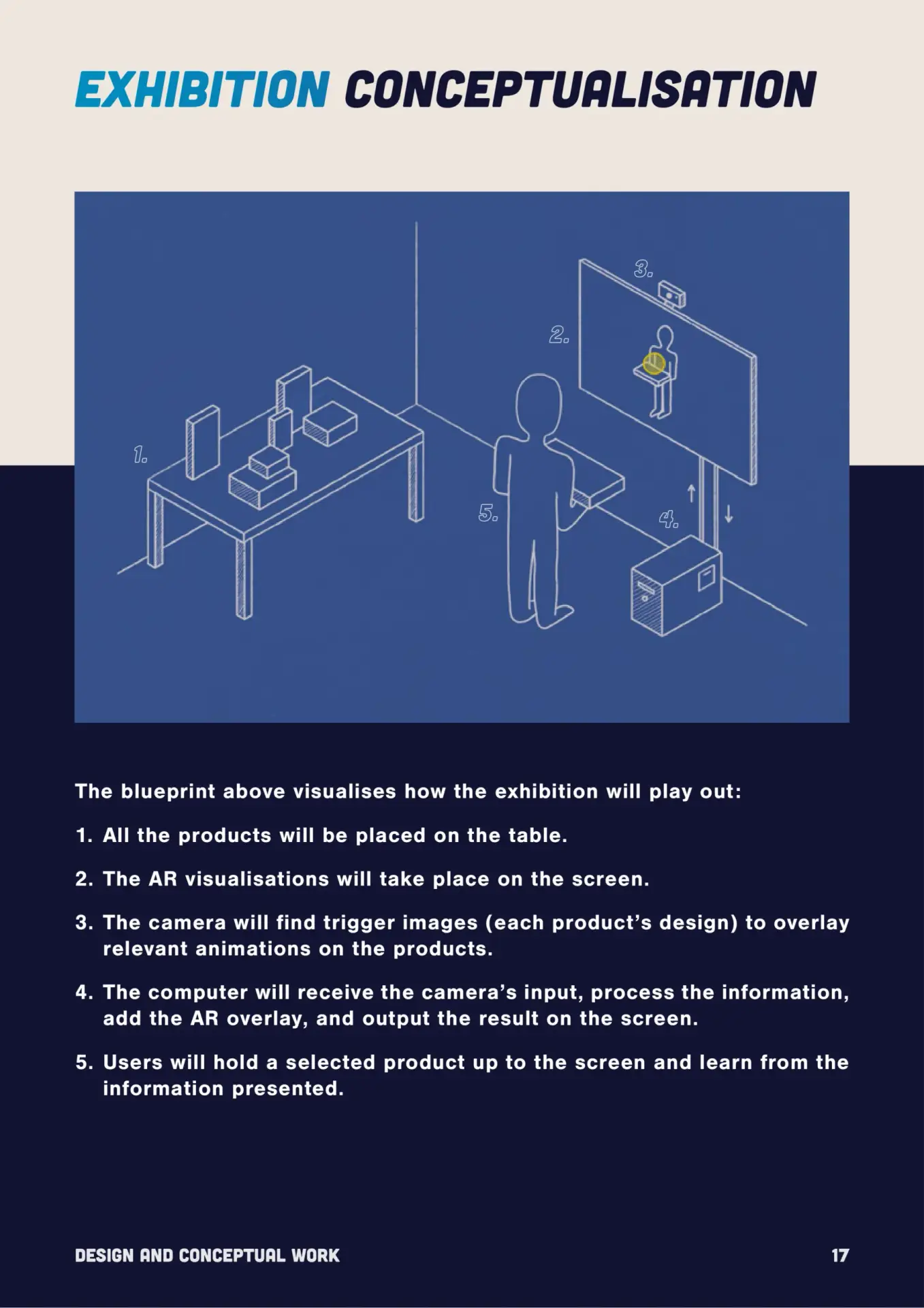
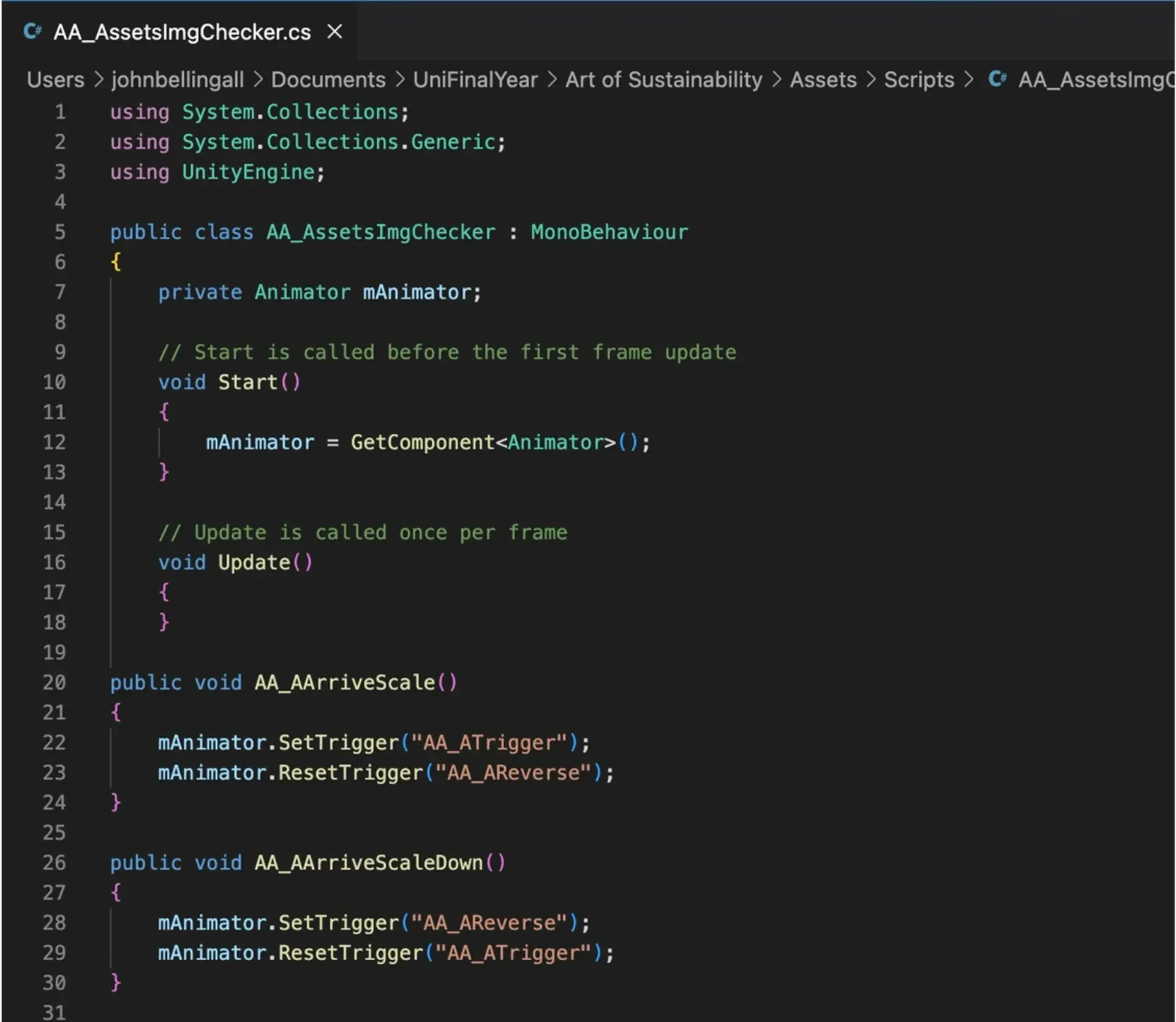
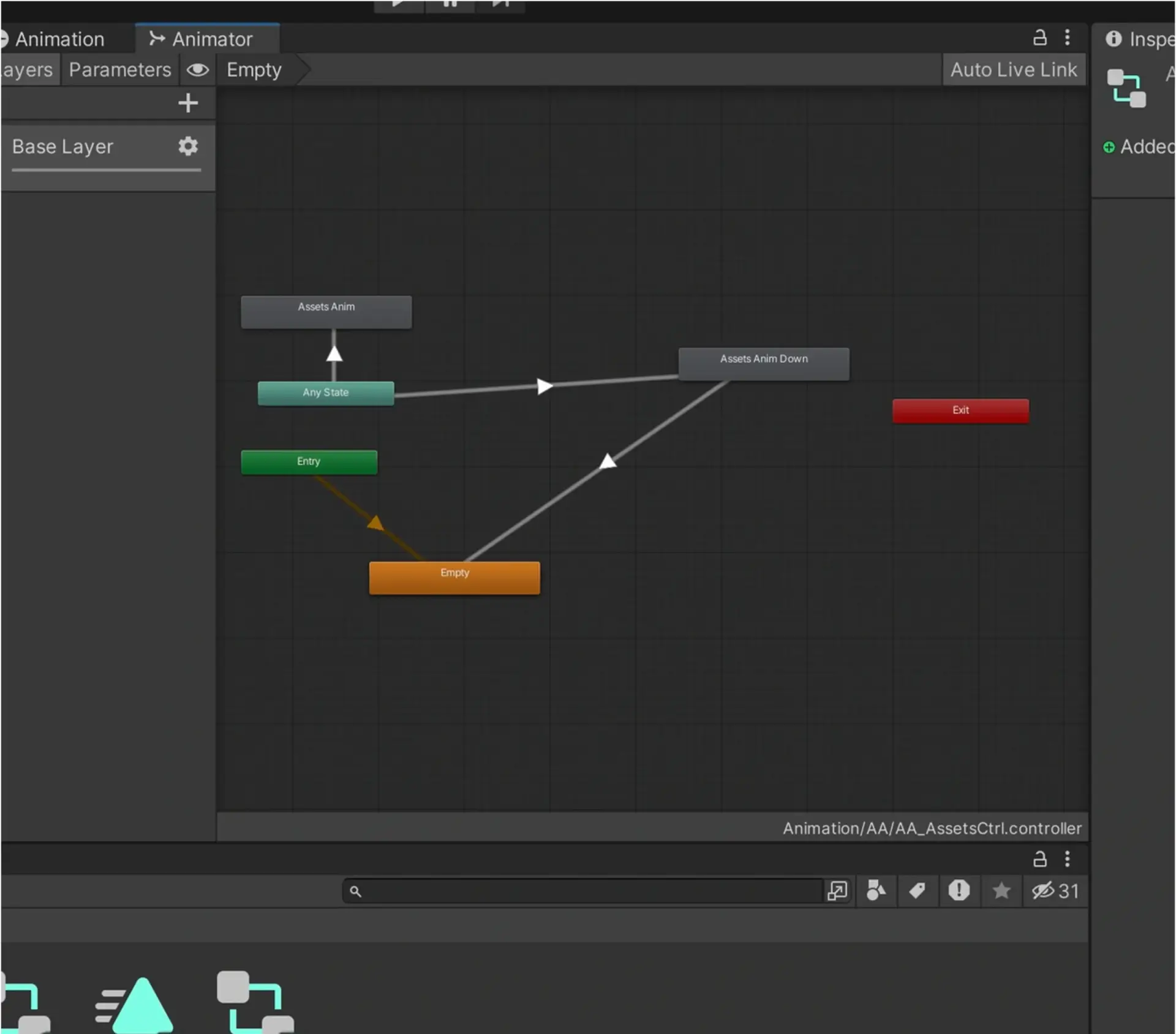
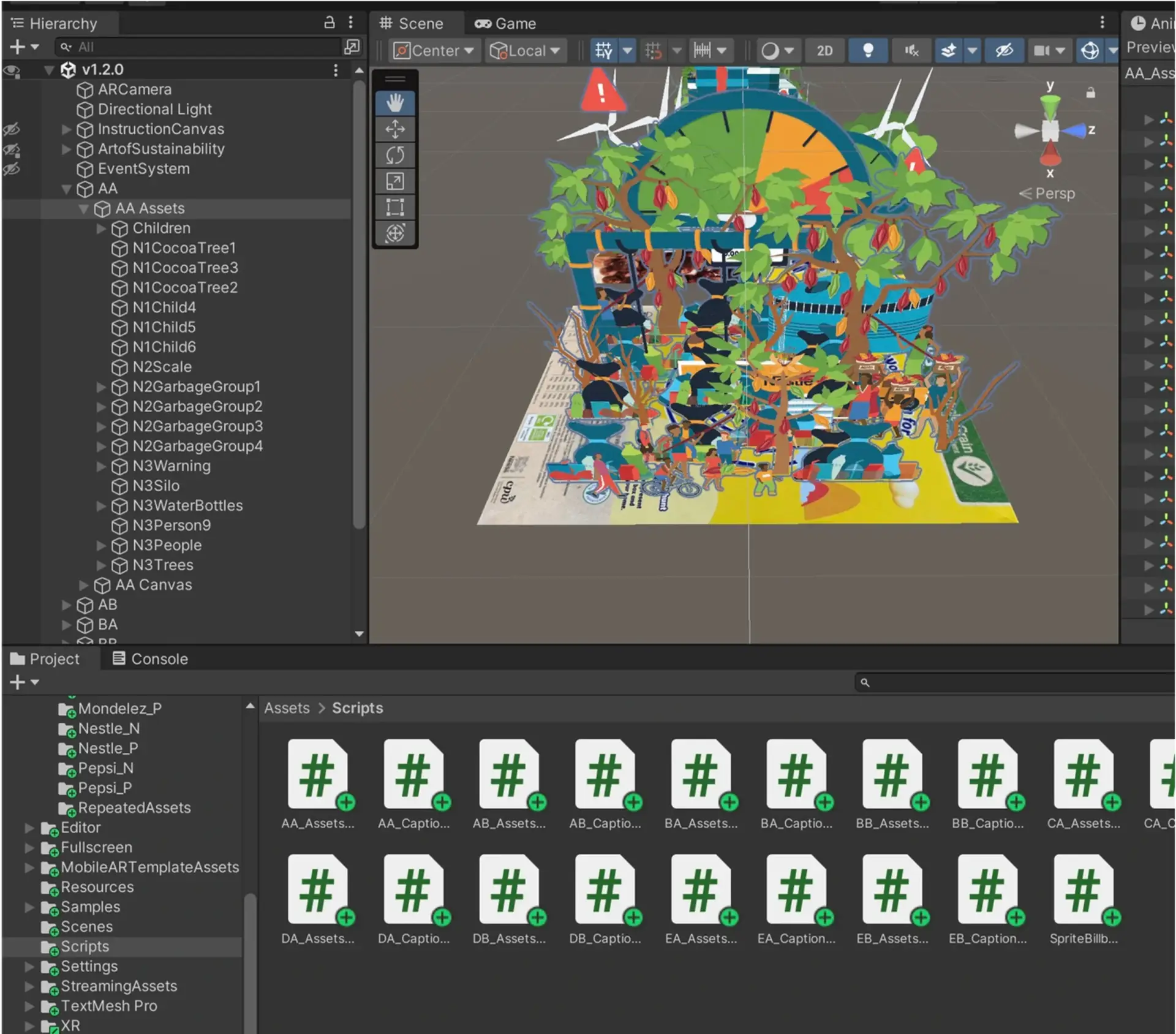
The experience was built using Unity and powered by Vuforia. The technical framework relies on a combination of:

  • Image Targets: To anchor the digital experience to physical objects.
  • Scripts & Triggers: To dictate when and how the AR elements appear.
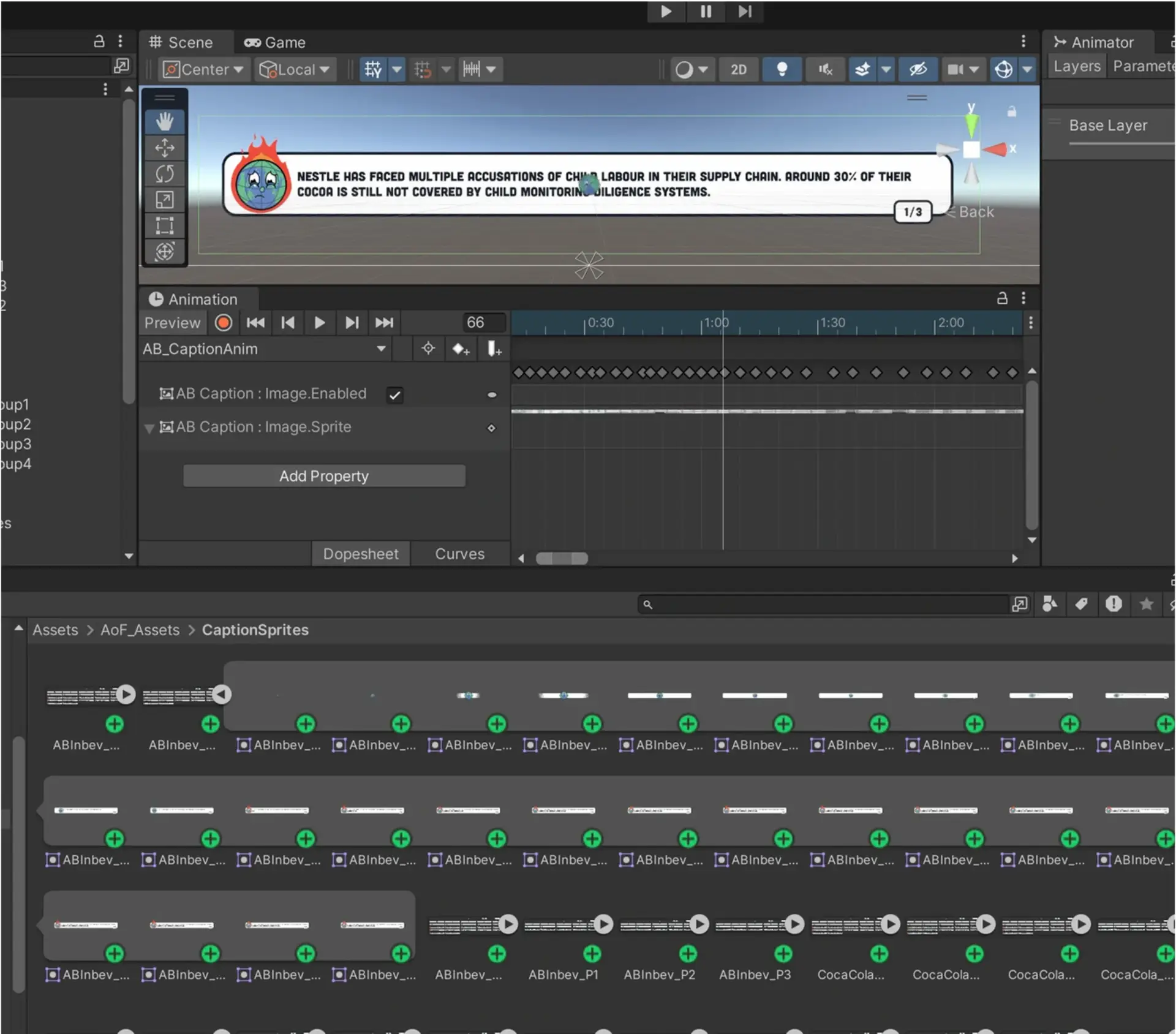
  • Animators & Timelines: To orchestrate the flow of the visual information.
  • 2D Assets: Utilizing animated sprites to keep the aesthetic engaging and the application lightweight.
  • Vuforia Target Scores: Constantly monitored to ensure the AR tracking remained stable.
Branding

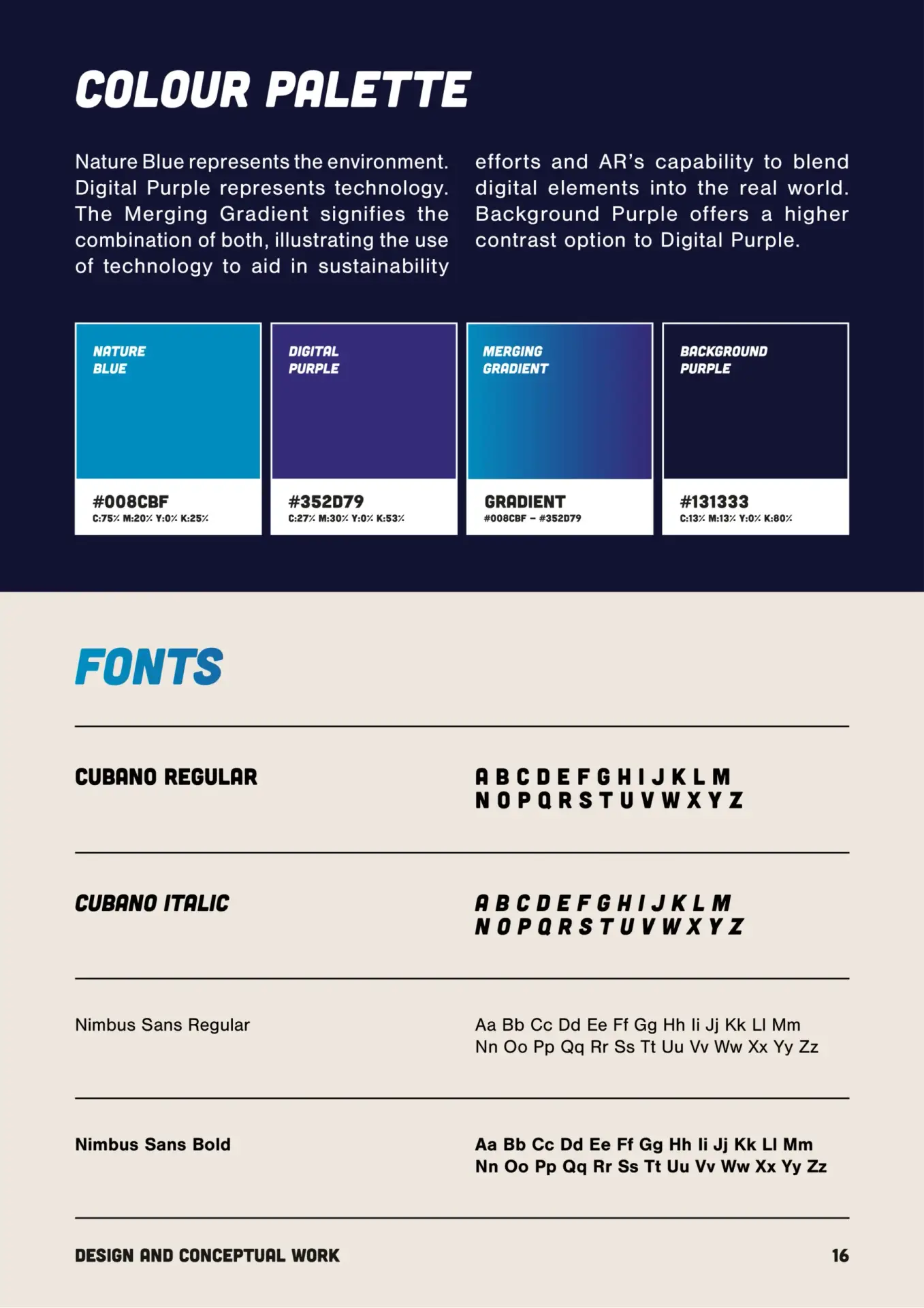
To visually communicate the core themes of the project, the branding relies on a highly symbolic color palette:

  • Nature Blue: Represents the natural environment.
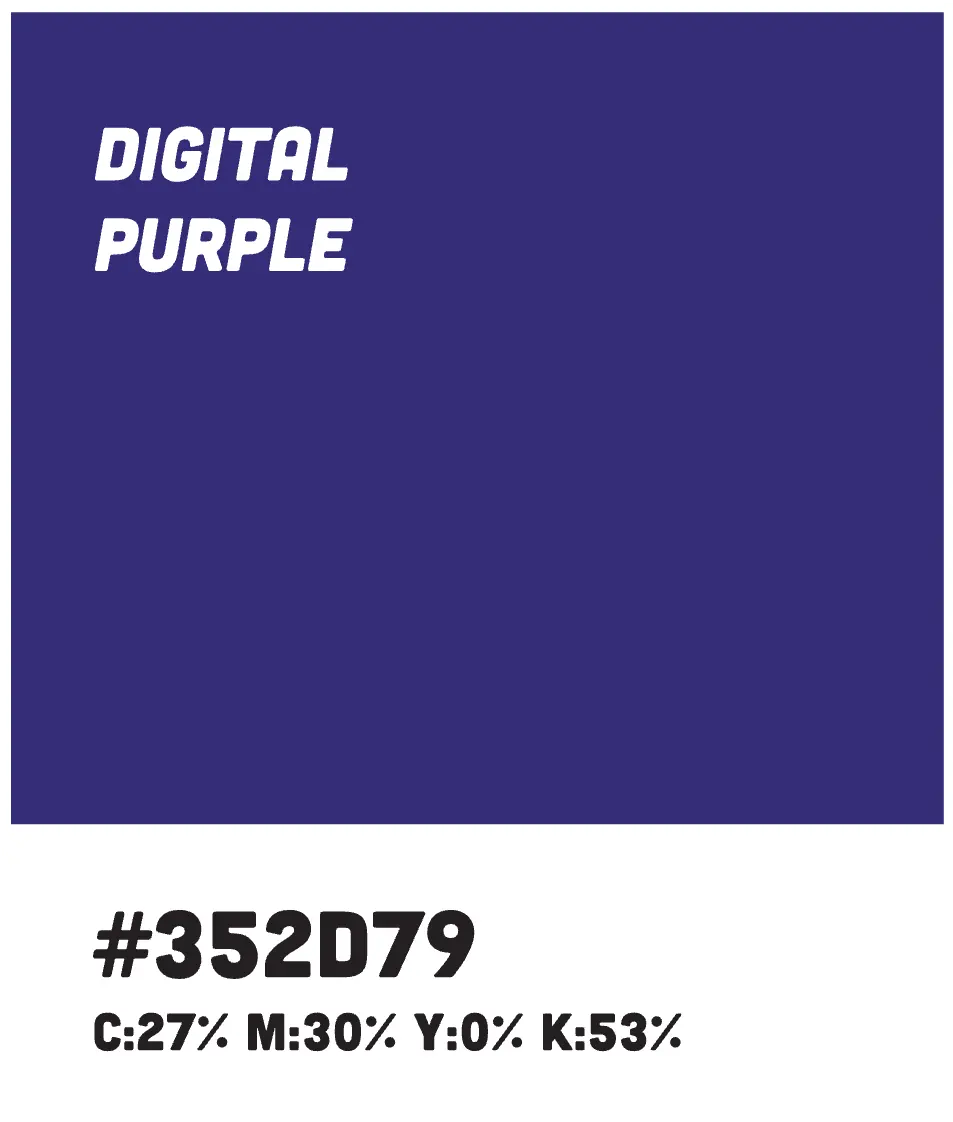
  • Digital Purple: Represents modern technology.
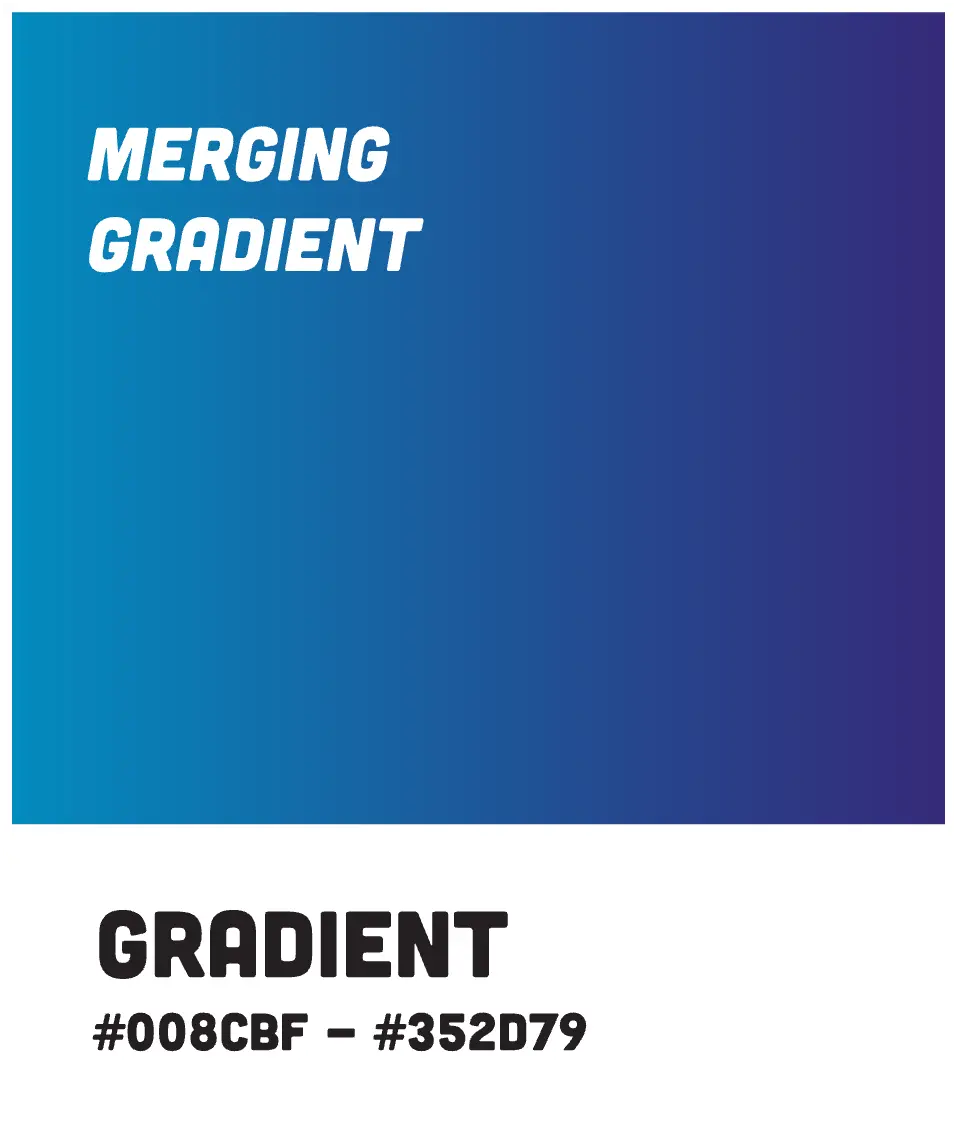
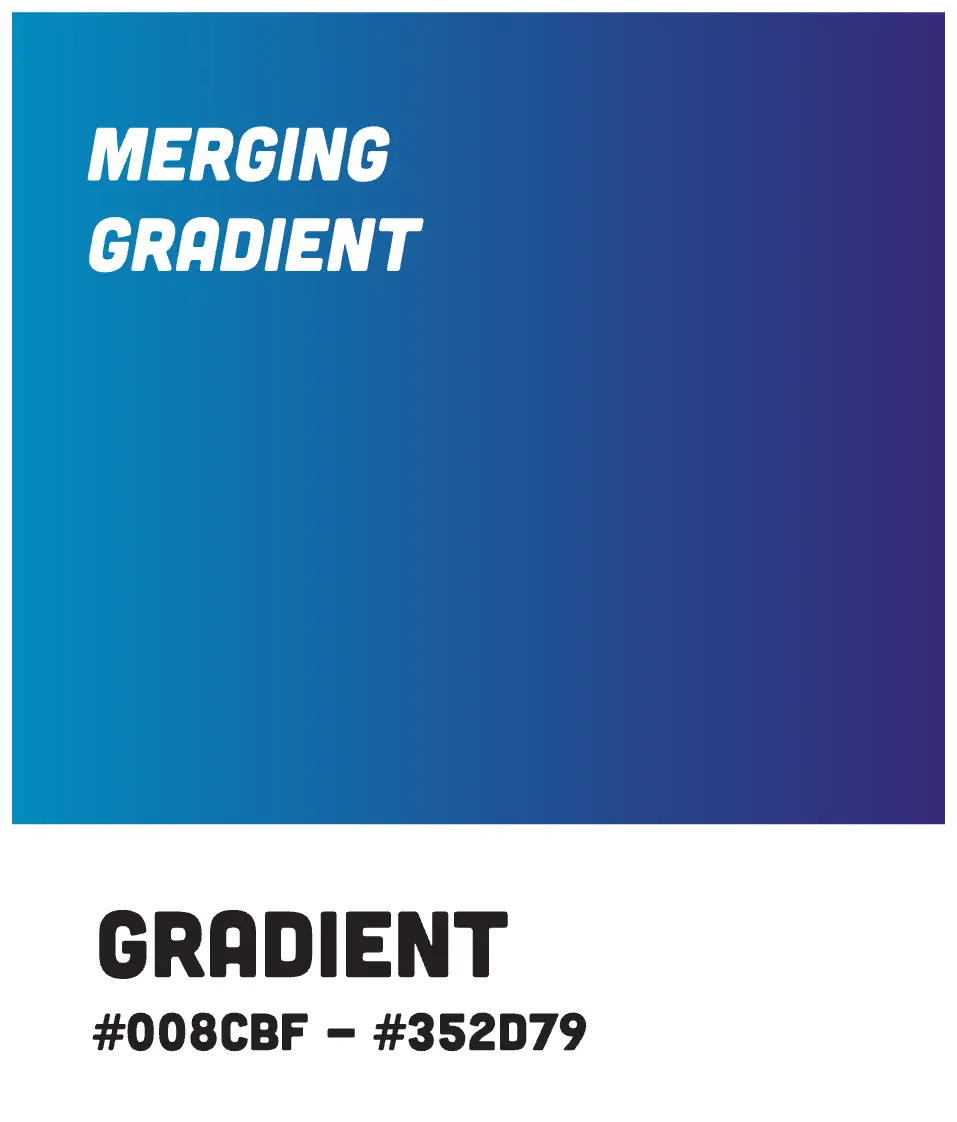
  • The Merging Gradient: Illustrates the seamless blend of both—symbolizing how technology can aid in sustainability efforts, and mirroring AR’s capability to fuse digital elements with the real world.
This visual identity was carried through all project assets, animations, and promotional posters, ensuring a cohesive look from the first advertisement to the final AR interaction.
The Challenges

Working with AR presents unique hardware and usability hurdles. Here is how I addressed the primary roadblocks during this project:

  • Optimizing AR Tracking: Initial physical product boxes yielded low Vuforia tracking scores, causing instability. I solved this by designing personalized, QR-style markers for each brand, ensuring flawless tracking while maintaining their visual identity.

  • Blending 2D and 3D: Mixing 2D assets within a 3D space can look jarring. I resolved this by adopting a stylized “paper cut-out” aesthetic, using paper textures and rigid animations to make the contrasting dimensions feel cohesive and deliberate.

  • Designing for AR Novices: Exhibition visitors were largely unfamiliar with AR. Extensive user testing revealed key usability quirks, leading me to add clear on-screen instructions and pagination to the animations, a great reminder of why testing is so critical.

The Project in Action

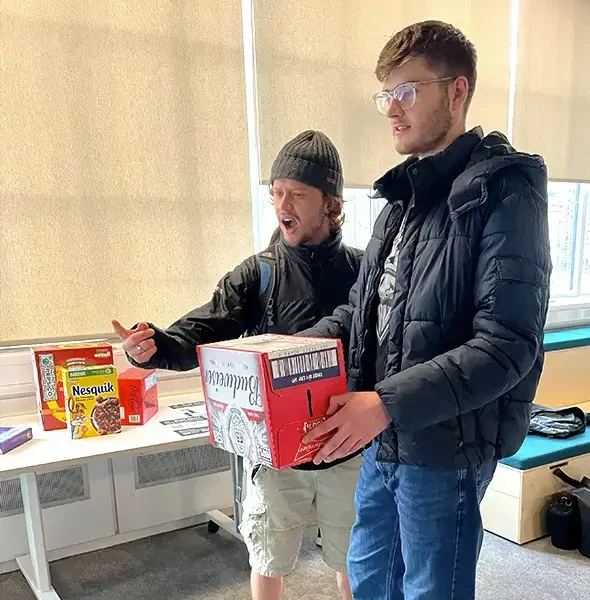
The final execution was designed to be a fully engaging, multi-sensory user experience. When users step into the space, they are immediately greeted by custom sound-designed audio that sets the tone before they even interact with the products.

The user journey follows three distinct stages:

  1. Listen & Learn: Hear background information about the greenwashing issue and the core purpose of the project.

  2. Get Hands-On: Interact with the physical products through the AR lens to see the hidden corporate initiatives and understand the bigger environmental picture.

  3. Take Action: The experience concludes by empowering users to speak their minds, reflecting on how they feel and encouraging them to speak up for what they believe in.